
Rising Construction Costs in 2026: Why Planning Early Matters More Than Ever
Rising construction costs in 2026 continue to impact projects across the country, driven by material volatility, supply chain disruptions, and ongoing labor shortages. While many of these pressures are outside an owner’s control, the most impactful cost decisions are made long before construction begins.
In today’s market, understanding rising construction costs in 2026 isn’t just about reacting to price increases—it’s about proactively planning for them. Projects that prioritize early planning, alignment, and coordination are far more likely to stay on budget and avoid costly surprises.
“The biggest cost decisions are made long before construction begins.”
Exactly where those costs show up, however, is evolving.
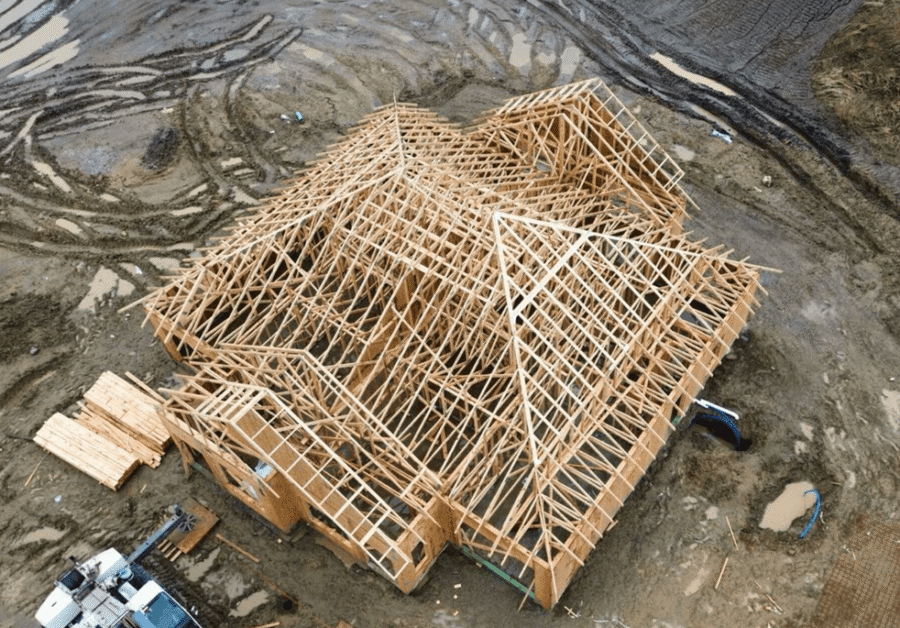
Where Costs Are Really Coming From
While material pricing often gets the spotlight, many of the biggest cost drivers are tied to early design decisions, particularly mechanical, electrical, and plumbing systems, as well as site strategy.
“MEP systems are one of the biggest variables in a project,” notes Darin Claxton, Principal Architect at Mitsch Design. “Equipment selection alone can significantly shift overall costs, especially if those decisions are made too late.”
Site conditions also play a major role. Grading, drainage, and floodplain challenges can quickly add unexpected expenses. When teams design the site, rather than against it, they can often avoid these costly interventions.
The Cost of Waiting
One of the most common (and expensive) patterns? Delayed decisions.
“Incomplete drawings and late changes almost always lead to change orders,” says April Eldridge, Senior Project Manager at Mitsch Design. “The tighter and more coordinated the plans are upfront, the less room there is for costly surprises in the field.”
This is especially true in renovation projects, where unknown conditions uncovered during demolition can quickly impact budget. Uncertainty early becomes cost later.
Designing for Value, Not Just Aesthetics
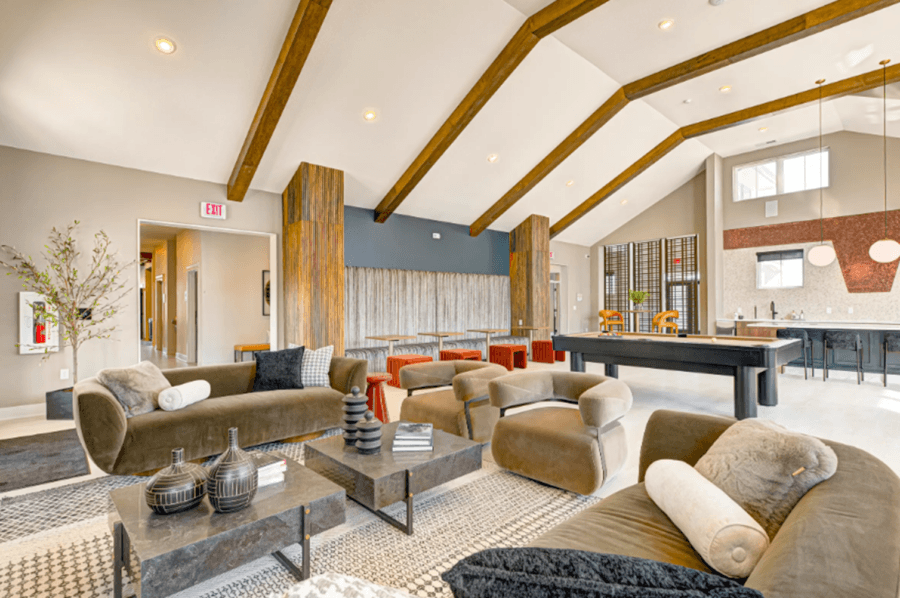
Not all design choices deliver equal value. Features like operable glass walls or complex exterior cladding systems can look great on paper but often introduce budget pressure during construction.
Instead, teams are shifting toward more intentional design strategies.
“Good design doesn’t have to be expensive,” our team emphasizes. “Designing with standard material sizes and modular thinking can reduce waste, save time, and still deliver a strong visual impact.”
The goal isn’t to eliminate design, it’s to make every decision work harder.
A More Collaborative Approach
As costs rise, collaboration is one of the most effective cost-control tools.
Bringing architects, designers, contractors, and estimators together early allows teams to:
- Pricing tests in real time
- Align scope with budget expectations
- Explore alternatives before costs are locked in
Strong vendor relationships also play a key role, creating opportunities for smarter sourcing, substitutions, and problem-solving throughout the project lifecycle.
Planning Is the New Cost Control
The most successful projects today aren’t just well-designed, they’re well-aligned from the start.
Early conversations around priorities, like upfront cost versus long-term operational savings, help guide better decisions throughout the process. And when clients trust their design and construction partners, teams can move more efficiently and confidently.
Rising construction costs aren’t going away, but with the right strategy, they don’t have to define your project.
Because in today’s market, the projects that succeed aren’t the ones that react to costs,
they’re the ones that plan for them.
Updating your approach to planning can have just as much impact as updating the design itself. The earlier the alignment, the more control you have over cost, quality, and outcome.